
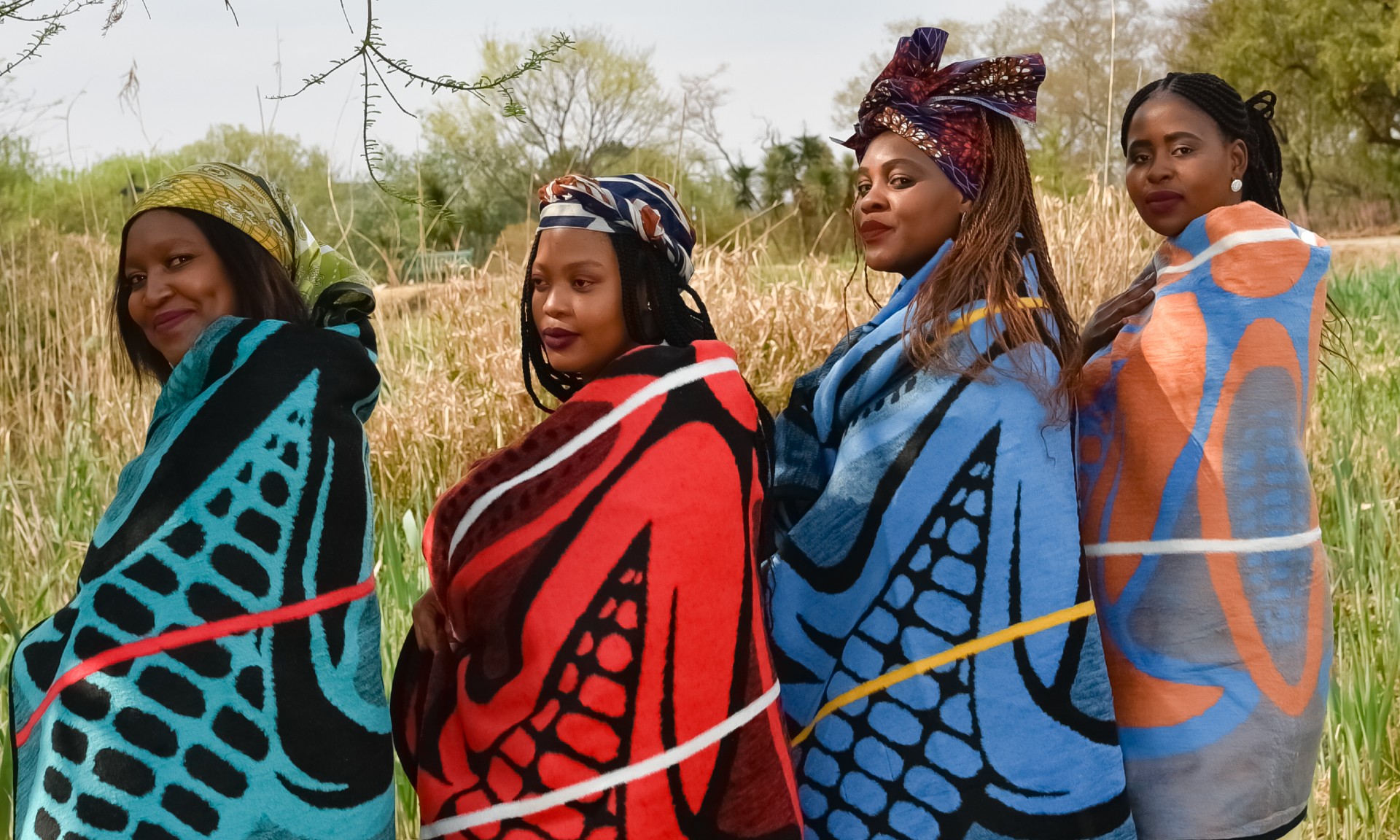
Ask anyone who grew up in a Basotho household what a blanket means, and they’ll tell you it isn’t just something you sleep under. A traditional blanket in South Africa carries weight that has nothing to do with grams per square metre. It marks births, initiations, weddings, and farewells. It’s worn with intention. It’s given with love. And in a country as richly layered as ours, blankets are one of the few things that cross cultural lines, because almost every tradition here has a blanket in it somewhere.
As Heritage Day approaches, it’s worth slowing down and thinking about what we’re actually celebrating when we wrap ourselves in these patterns and colours.
The Basotho Blanket: Worn at Every Stage of Life
Few objects in South African culture carry the ceremonial weight of the Basotho blanket. Its story begins in the 19th century, when King Moshoeshoe I, the founder of the Basotho nation, received a woollen blanket and adopted it as part of his dress. What followed over the next 150 years was a gradual, organic process of the blanket becoming inseparable from Basotho identity.
Basotho blankets are often given as gifts during important ceremonies such as weddings and graduations, and they are considered a sign of respect and honour. Each design carries its own meaning, from patterns that represent peace and unity to those associated with status and leadership.
Wearing the right blanket for the right occasion isn’t just custom, it’s a form of communication that has been passed down through generations.
The Ndebele Blanket: Colour as Language
The Ndebele blanket tells its story differently, through geometry and colour that immediately connects to the famous painted walls of Ndebele homes. Those bold, angular patterns aren’t decorative for decoration’s sake; they carry cultural meaning that Ndebele women have used for centuries as a visual language.
The Umbhalo Ndebele Blanket
The Umbhalo Ndebele blanket, with its distinctive vibrant stripes, holds particular significance. Beadwork is often added to these blankets and they are worn during traditional ceremonies. The blanket isn’t just clothing, it’s a marker of status, relationship, and belonging within the community.
For the Ndebele people, a blanket isn’t chosen casually. It announces who you are and where you stand.
Why This Matters on Heritage Day
Heritage Day, celebrated on 24 September, is often reduced to a braai and a public holiday. But at its core, it’s an invitation to think about what we carry from the people who came before us, and what we pass on.
A traditional blanket is one of the most tangible ways to do that. Wearing one connects you to a living tradition. Gifting one continues it. And understanding what it means, really means, deepens the kind of pride that Heritage Day is actually asking for.
You don’t have to belong to a culture to respect it. You do have to take the time to understand it.
Sesli’s Heritage & Traditional Collection
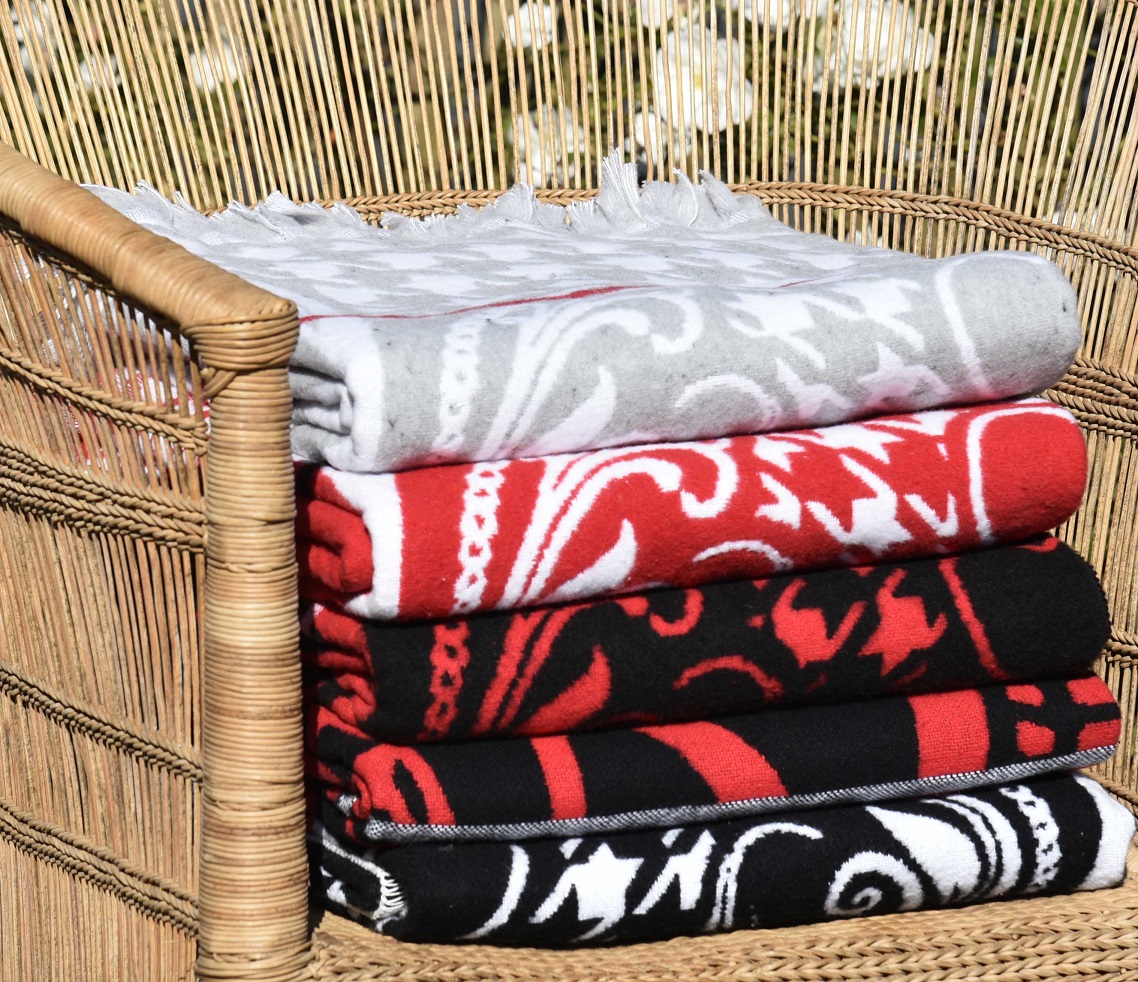
At Sesli, we’ve long recognised that blankets mean something. Our Heritage & Traditional Collection includes:
- Sesli Basotho Blankets: bold, colourful, and deeply rooted in a tradition that spans more than a century
- Sesli Ndebele Blankets: geometric, vibrant, and inspired by one of South Africa’s most visually striking artistic traditions
- Umbhalo Ndebele Blankets: the ceremonial stripe blanket with cultural significance woven directly into its design
All are 100% acrylic, machine washable, and made to be used, because a blanket that sits in a cupboard isn’t honouring anyone’s heritage.
Celebrate Your Heritage
Whether you’re buying for Heritage Day, a ceremony, a gift, or simply because you want something with a story on your couch, the Sesli Heritage Collection is where to start. Pop into the blanket factory shop at 1090 Anvil Road, Robertville, Johannesburg, or our Sandton store in Leslie Rd Retail Park. Contact us for enquiries.